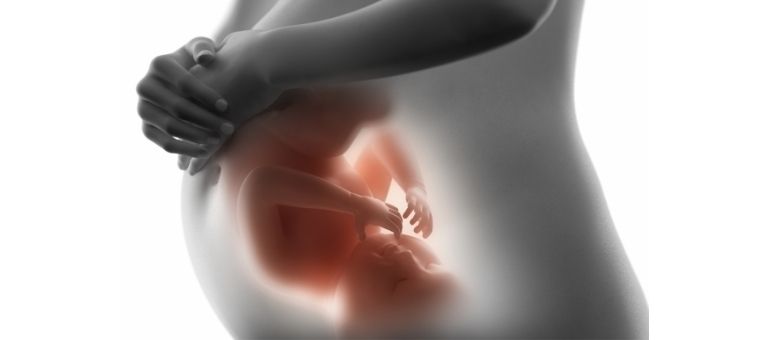
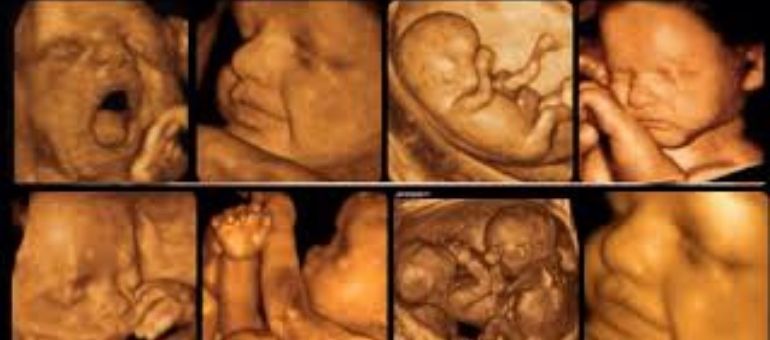
The first few weeks of pregnancy are the most critical time for a baby’s development, yet many women don’t even realize they are pregnant during this period. For this reason, every woman who is thinking about becoming pregnant should see a gynecologist before stopping contraception. The purpose of this pre-conception checkup is to identify any unusual situations or risk factors that may arise during pregnancy, childbirth, or postpartum. During this exam, we ask about chronic diseases (such as hypertension, anemia, diabetes, epilepsy, and thyroid issues), gynecological conditions (myoma, ovarian cysts, infections, etc.), and past pregnancies (miscarriages, births with anomalies, ectopic pregnancy, stillbirths, or premature births) that could affect the pregnancy or its management. Adjustments to the dosage of regularly used medications are also discussed. We provide information on necessary changes to diet, smoking and alcohol use, work life, sleep and rest habits, and exercise routines. A cervical cancer screening test (Pap smear) is performed if one has not been done in the last year. Blood tests deemed appropriate by your doctor are also performed.
HOW IS THE TIME OF OVULATION CALCULATED?
While a woman’s menstrual cycle is usually between 28-32 days, for some women it is shorter or longer. A period between 21 and 35 days is considered normal. For women with regular periods, the time of ovulation is calculated by counting back 14 days from the first day of the expected next period. For most women, ovulation occurs between the 11th and 21st days of the cycle, and the chances of pregnancy increase with intercourse during this time. If your menstrual cycles are irregular, we can determine the time of ovulation by tracking your eggs (follicles) with an ultrasound.
WHAT ARE THE SYMPTOMS OF PREGNANCY?
- A missed period.
- Implantation bleeding: When the embryo implants in the uterus, light spotting or slightly heavier bleeding can occur 6-12 days after intercourse. Some women may also experience cramping with the bleeding.
- Fullness and tenderness in the breasts.
- Weakness, fatigue.
- Nausea, vomiting.
- Frequent urination.
- Stretch marks and blemishes on the skin.
WHAT TESTS SHOULD BE DONE DURING PREGNANCY?
A pregnancy is divided into 3 periods (trimesters) of approximately 3 months each. The first trimester covers the first 13 weeks, the second trimester covers up to the 26th week, and the third trimester covers the period until delivery.
- Complete blood count.
- Complete urinalysis.
- Infection screening tests (IgM and IgG antibodies for Toxoplasmosis, rubella, and CMV; VDRL for syphilis; and hepatitis and HIV tests are performed).
- Kidney and liver function tests (urea, creatinine, AST, ALT).
- Fasting blood sugar.
- Thyroid function tests (TSH, T4).
- Blood type.
- Double Screening Test: A test performed between weeks 11-14 to check for the presence of Down syndrome (trisomy 21) and trisomy 18. An ultrasound is used to look at the baby’s nuchal translucency (neck thickness) and nasal bone. The mother’s age and beta hCG and PAPP-A values from a blood test are combined with the ultrasound findings. The test result determines a personalized risk ratio.
- Triple Screening Test: A test performed between weeks 16-18 to check for Down syndrome (trisomy 21), trisomy 18, and neural tube defects (an opening in the baby’s spinal cord area). The assessment is based on the mother’s age, the baby’s head circumference measurement (BPD) from the ultrasound, and beta hCG, estriol (E3), and AFP values from a blood test.
- Detailed (Level 2 Color) Ultrasonography: An ultrasound performed by the perinatology (high-risk pregnancy) department between weeks 20-22 to conduct a detailed organ scan of the baby.
- Glucose Loading Test (OGTT): A test performed between weeks 24-28 by taking blood on an empty stomach and after drinking a glucose solution. It detects the presence of gestational diabetes in the mother.
- Indirect Coombs Test: If the mother is Rh(-) and the father is Rh(+), there is a blood incompatibility. Based on the result of the indirect Coombs test taken at week 28, an Anti-D immunoglobulin (the blood incompatibility shot) may be administered. The Anti-D immunoglobulin must be repeated after birth.
NAUSEA AND VOMITING DURING PREGNANCY
This is seen in 70-85% of pregnant women. It usually starts around the 6th week and ends around the 12th week. Although it is more common in the mornings, it can happen at any time of day. Pregnant women with nausea should eat small, frequent meals, limit fluid intake to half an hour before and after meals, sip fluids slowly, and avoid greasy and spicy foods that increase nausea and vomiting. Saltine crackers, lemon, and ginger can help with nausea. For nausea that doesn’t go away with these measures and causes vomiting, your doctor can start medication. If vomiting is severe and you cannot eat, if you vomit more than 3-4 times a day, if you have lost more than 5% of your body weight, and if your blood count is compromised, hospitalization may be necessary.
URINARY TRACT INFECTION DURING PREGNANCY
This is the most common infection during pregnancy. As the uterus grows during pregnancy, the pressure it puts on the bladder can prevent it from emptying completely, which increases the risk of infection. Symptoms can include frequent urination, a burning sensation when urinating, bad-smelling urine, nausea, pelvic pain, and back and side pain. It may also show no symptoms and be detected only in a urinalysis. Antiseptic drugs that clean the urine and antibiotics can be used for treatment. If left untreated in pregnant patients, the infection can progress and affect the kidneys. It can also affect the pregnancy process and cause premature birth, as well as low birth weight in babies.
CERVICAL INCOMPETENCE
The cervix is the exit of the uterus and remains firm and closed until labor begins. In pregnant women with a weak cervix, the cervix starts to shorten and open early, which increases the risk of premature birth. Cervical incompetence is monitored by measuring the cervical length with an ultrasound. To prevent premature birth in suitable patients, a stitch is placed on the cervix using a method called cerclage, with the goal of delaying birth until after 37 weeks. The most suitable time to place a stitch on the cervix is during the 3rd month of pregnancy, between weeks 12-14. However, if shortening of the cervix is detected earlier or later, an emergency cerclage can be performed. The benefits and complications of cerclage should be carefully evaluated. If you experience contractions and cramping similar to labor pain, vaginal bleeding, water breaking, high fever or chills, vomiting, or foul-smelling vaginal discharge after a cervical cerclage, you should contact your doctor. The stitch in the cervix is left in place until the 37th week. However, it is removed if labor pains become regular and labor begins before that time. The removal procedure is not difficult.
PLACENTA PREVIA (WHEN THE PLACENTA COMES FIRST)
Placenta previa is a condition where the placenta, which is the baby’s organ for nutrition, is implanted near or completely covering the cervix. Bleeding can occur when the cervix begins to dilate before birth or when the placenta detaches from the uterus during birth. It is more common in those who have had previous uterine surgery or a Cesarean section. The most common sign is painless bleeding. Patients with a placenta previa diagnosis should not have sexual intercourse or vaginal examinations. Pregnant women with placenta previa cannot have a natural vaginal birth, and if possible, a Cesarean section is performed before labor pains begin.
PLACENTAL ABRUPTION (WHEN THE PLACENTA DETACHES EARLY)
Placental abruption is the detachment of the placenta from its implantation site on the uterine wall. It is more common in smokers, pregnancies over the age of 35, pregnant women with a diagnosis of hypertension and preeclampsia, and those who have suffered a blow to the abdomen. It presents with vaginal bleeding, uterine tenderness, and frequent, non-stop uterine contractions. If the placenta detaches from the uterine wall, blood flow to the baby stops, and the transfer of nutrients and oxygen ceases. In such a situation, an emergency Cesarean section is required.
GESTATIONAL DIABETES
This is diabetes that is diagnosed during pregnancy. Although insulin secretion increases during pregnancy, hormones secreted from the placenta beginning in the 6th month resist insulin. This resistance leads to high blood sugar in women who are at risk for diabetes. Uncontrolled high blood sugar can cause the baby’s blood sugar to rise and can lead to problems, including the baby’s death in the womb. For this reason, gestational diabetes is a condition that must be diagnosed and properly monitored. The risk is increased in pregnant women who are over 35, overweight, have given birth to a baby weighing over 4000 grams, have a family history of diabetes, gained excessive weight during pregnancy, or whose baby is large for its gestational week according to an ultrasound. The glucose loading test (OGTT) is recommended for all pregnant women to detect gestational diabetes. The OGTT is performed between weeks 24-28 of pregnancy. If the pregnant woman is in a high-risk group, the test may be performed in earlier weeks. A single-stage 75-gram glucose test is generally administered. Blood sugar levels are checked in the morning after an 8-12 hour fast. Then, a solution containing 75 grams of sugar is consumed. If any of the values—fasting blood sugar ≥92, 1st hour post-prandial ≥180 mg/dl, 2nd hour post-prandial ≥153 mg/dl—are high, a diagnosis of gestational diabetes is made. In women diagnosed with gestational diabetes, the diet must be adjusted, and insulin treatment should be initiated if necessary. The diet varies depending on the patient’s weight, height, existing illnesses, and physical activity. The diet list prepared for each pregnant woman is different and is customized for the individual. Weight gain should be monitored at every checkup.
PREECLAMPSIA (PREGNANCY POISONING)
Preeclampsia is a condition that usually begins after the 20th week of pregnancy and involves blood pressure consistently above 140/90 mm/hg. If neglected, it can lead to serious problems, including developmental delays in the baby, premature birth, stillbirth, and even the mother’s death. It may be accompanied by protein in the urine and swelling. Every pregnant woman diagnosed with preeclampsia should have regular blood pressure monitoring. Urine tests, a complete blood count, bleeding profile tests, and a Doppler ultrasound to measure the baby’s umbilical cord blood flow should be performed. Treatment varies depending on the gestational week. Salt intake should be restricted, fluid intake should be increased, and excessive physical activity and stress should be avoided. Antihypertensive medications that can be used during pregnancy may be an option to keep blood pressure under control. If the pregnancy is in its final stages, the baby is delivered as early as possible because the definitive treatment for preeclampsia is birth.
REASONS FOR A CESAREAN SECTION
- Previous uterine surgery (Cesarean section, myoma removal).
- The baby’s position is not suitable for birth (breech, transverse position).
- The baby’s estimated birth weight is over 4000 grams or head circumference is over 100 mm.
- The cervix does not dilate despite adequate labor pains (non-progressing labor).
- The baby’s umbilical cord prolapses into the vagina.
- Placental abruption (the placenta detaches).
- Fetal distress (abnormal baby heart rate).
- Placenta previa (the placenta is covering the cervix).
- Multiple pregnancies.
- The pregnant woman’s bone pelvic structure is not suitable for a vaginal birth.
- Situations where a vaginal birth is risky for the mother (heart disease, herniated disc, congenital hip dislocation, respiratory diseases, etc.).
- Fear of childbirth.
- Maternal request.